F216
F216

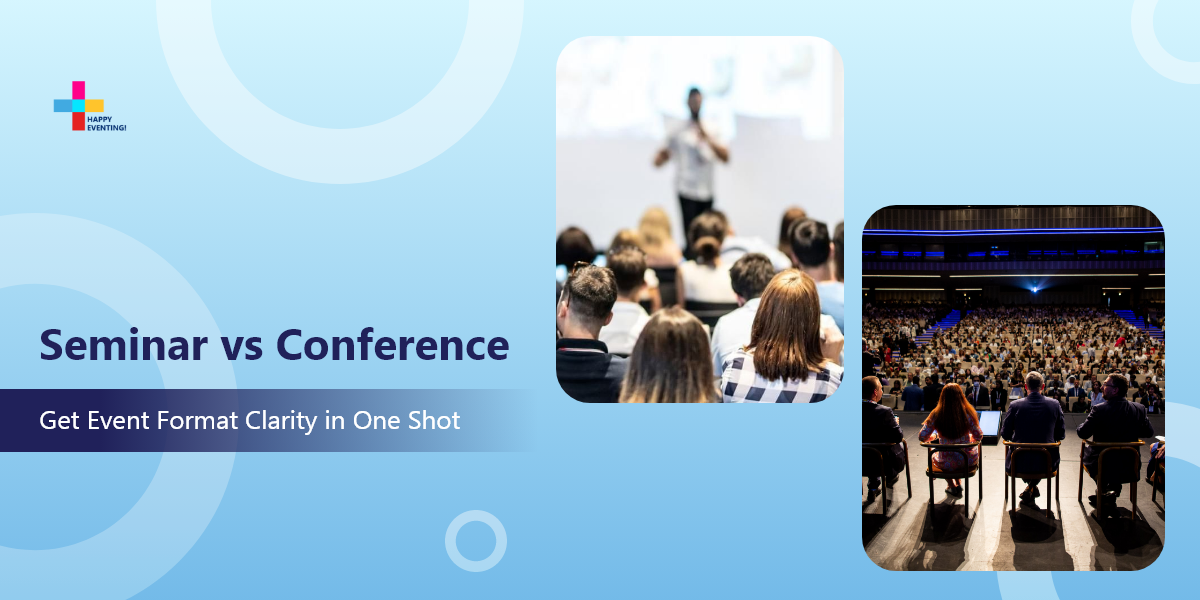

Every successful event starts with one decision that planners cannot afford to guess: should it be a seminar or a conference? The choice shapes everything that follows. It sets the scale of your operations, determines how much content you produce, guides the type of speakers you recruit, and influences how much your team spends in both time and budget.
In growing organizations, this decision often arrives early and fast. Leadership wants impact. Stakeholders want visibility. Attendees want value. You cannot meet those expectations unless you match the event format to the outcomes you need. That is where the real work begins, because seminars vs conferences are not interchangeable. They solve different problems, support different goals, and perform best under very different conditions.
This guide breaks down those differences in a practical way. You will see how each format operates, where it excels, and what it demands. You will also get planning frameworks, technology guidance, and checklists to help you design the right experience from start to finish.
What's Ahead
- Foundational definitions: what is a conference and what is a seminar
- Core distinctions in the seminars vs conferences debate
- Deep dive into event planning phases with tailored strategies
- Essential technology stacks that power each event type
- Practical, user-friendly checklists for flawless execution
- FAQ addressing critical decision-making questions
What Is a Conference?
A conference is a large-scale, multi-day event built around a central theme or industry focus. It brings together professionals, decision-makers, and stakeholders for learning, networking, and high-value business conversations. Conferences operate at a scale that demands structure, content variety, and strong operational discipline.
Key Characteristics
- Span two to four days at expansive venues like convention centers or large hotels
- Attract thousands of participants from diverse roles (entry-level professionals to C-suite executives)
- Feature diverse programming including keynotes, panels, breakout sessions, exhibition halls, and networking zones
Primary Objectives
- Establish thought leadership and strengthen market position
- Launch products and generate qualified leads
- Facilitate partnership development and community building
- Provide exposure to cutting-edge trends and industry luminaries
Operational Aspects
- Require coordination of multiple stakeholders: speakers, sponsors, exhibitors, media partners, and production teams
- Depend on advanced technology infrastructure, from tiered registration systems to mobile apps with personalized agendas
- Balance structured learning with networking, discovery, and spontaneous interactions
Business Impact
- Increase brand visibility through media coverage and social amplification
- Extend lead generation efforts long after the event ends
- Strengthen community engagement through ongoing content access and networking opportunities
What Is a Seminar?
A seminar is a focused, small-group learning experience built for specialized training, skill development, or concentrated exploration of a specific topic. It is designed to deliver depth, direct interaction, and practical takeaways within a short, structured timeframe.
Key Characteristics
- Run a half day to a full day in adaptable spaces such as training centers or flexible conference rooms
- Accommodate 15 to 80 participants who share similar expertise levels or learning objectives
- Emphasize hands-on workshops, case discussions, and direct access to facilitators
Primary Objectives
- Deliver targeted skill acquisition ranging from software proficiency to leadership development
- Provide professional certifications or credentials tied to industry requirements
- Address compliance updates, regulatory shifts, or technical training needs
- Equip participants with frameworks and techniques they can apply immediately in their roles
Operational Aspects
- Rely on streamlined logistics that prioritize content quality over large-scale production
- Require essential technology such as reliable audiovisuals, hybrid-ready features, and interactive polling tools
- Allow facilitators to adjust content in real time based on participant questions and knowledge gaps
Business Impact
- Strengthen organizational capabilities through measurable skill gains
- Build alumni groups and communities of practice that support ongoing learning
- Deliver tangible ROI through certification completion, performance improvement, and accelerated workforce readiness
What Is the Difference Between a Seminar and a Conference?
Before diving into planning essentials, understanding the differences that set apart seminars vs conferences is essential for choosing the right format. This clarity helps you allocate resources accurately, set realistic expectations, and design attendee experiences that match the purpose of each event type.
| Aspect | Seminar | Conference |
|---|---|---|
| Size | Intimate (15–80 attendees) | Large scale (100+ attendees, often 1,000s) |
| Purpose | Specialized training, skill building | Multi-dimensional: learning, networking, branding |
| Audience | Homogeneous, expertise-aligned | Diverse, cross-industry/multiple roles |
| Format | Focused sessions, hands-on workshops | Multi-track, keynotes, panels, expos |
| Interaction | High engagement, discussion-centric | Extensive networking, moderate session interaction |
| Duration | Half-day to full day | Multiple days (often 2–4 days) |
| Venue | Small, flexible rooms | Large venues, convention centers, hotels |
| Budget | Moderate, education-focused | High, complex logistics and hospitality |
| ROI | Skill acquisition, certification | Brand lift, lead generation, partnerships |
These distinctions shape all subsequent strategic decisions for planners navigating seminars vs conferences.
Size & Scale
Seminars are designed for intimate groups, ranging from 20 to 100 people. This size facilitates focused, personalized interaction indispensable for skill building or deep dives into niche topics. Conferences operate on a much grander scale, often attracting 100 to several thousand attendees from diverse sectors. This scale demands sophisticated logistical orchestration across multiple venues or rooms. Seminar size allows you to manage the entire room as a single learning environment. Smaller groups help with real-time facilitation, direct feedback, and adapting the pace based on participant response. When you plan a seminar, you control the learning flow almost minute by minute.
Conference scale requires a completely different approach. You plan for simultaneous sessions, crowd movement, signage, room turnover, and attendee flow between spaces. You must anticipate bottlenecks, transitions, and session conflicts. The scale determines everything from the number of staff you deploy to how early you begin venue negotiations.
Purpose & Audience
The seminar's heart beats for professional development through specialized training, certifications, or workshops. Its audience typically shares common expertise or industry focus. Conferences, by contrast, serve a multifaceted purpose: knowledge dissemination, networking, brand positioning, market exploration, and community building. Attendees span industries, roles, and levels, creating strong idea exchange. A seminar has one primary purpose: skill transfer. Because the audience is aligned in background or expertise, the content must be actionable, clear, and directly applicable. The speaker is not just presenting but teaching, assessing, and guiding.
A conference supports multiple purposes at the same time. Keynotes inspire, panels compare perspectives, breakouts deepen specific topics, and expo halls connect attendees with brands. The audience is diverse, so your content strategy must serve newcomers, decision-makers, and specialists without overwhelming any single group.
Format & Interaction
Seminars thrive on fewer sessions with rich interaction like breakout discussions, skill practices, workshops, and immediate feedback loops. Conferences feature layered agendas with parallel tracks, keynote addresses, panel discussions, expo areas, and various networking opportunities that cater to larger, more diverse groups. Seminar interaction is predictable and structured. Facilitators can use live exercises, group problem-solving, and scenario-based learning. Attendees expect to participate, ask questions, and get responses in real time.
Conference interaction is dynamic and unstructured. Attendees choose their journey, move between tracks, and often prioritize networking over sessions. Interaction comes from meeting peers, talking to exhibitors, and attending mixers. Your planning must support that freedom rather than force structure.
Duration & Venue
Expect seminars to run a half day up to a single full day, ideally in flexible, compact spaces fostering concentration and interaction. Conferences require expansive venues like convention centers or large hotels, spanning several days to accommodate multifaceted programming and exhibitor spaces. Seminars rely on compact spaces where acoustics, seating layout, and proximity support concentration. You optimize light, sound, and facilitator visibility because every participant needs equal access to content.
Conferences need a venue ecosystem. You must coordinate multiple rooms with AV consistency, staging styles, backstage requirements, exhibitor zones, and hospitality areas. Venue choice directly affects traffic flow, experience design, and hour-by-hour scheduling.
Budget & ROI
Given their scale, seminars entail modest budgets focusing mainly on educational outcomes and direct participant engagement. Conferences command higher investment with complex technology needs, hospitality requirements, sponsorship engagements, and marketing objectives that aim for wider organizational impact and lead generation. Seminar budgets lean toward content quality, expert facilitators, training materials, and certification components. ROI is measured through learning outcomes, post-session performance, and internal capability building.
Conference budgets expand across production, stage design, attendee hospitality, keynote talent, sponsor deliverables, and large-scale technology. ROI comes from leads, visibility, community engagement, and partnerships formed. Tracking this requires deeper analytics and extended follow-up cycles.
Event Planning Touchpoints: From Vision to Execution
When you plan seminars vs conferences, your priorities shift at every stage. Each format demands different decisions before the event, during the live experience, and after the final session wraps. How you plan, coordinate, and measure each phase determines how well the event performs.
Pre-Event Planning
Pre-event is where you define intent, structure, scale, and success measures. The choices you make here shape everything that follows.
Audience Research & Segmentation
Every event planner knows the power of audience understanding. It shapes promotion, content, and rhythm. Audience insights influence your agenda design, communication strategy, and room structure.
For seminars, segmentation goes deeper than job role. You evaluate skill levels and learning readiness, so your content and interactive tools support the pace of the room. Even simple technologies like registration logic or pre-session questionnaires help you prepare a more accurate learning environment.
Conferences require broad segmentation that drives your track structure. You cluster attendees by interest areas and role types, then build communication journeys that guide each group toward sessions aligned with their goals.
Objectives & Content Strategy
Objectives drive the shape of your agenda.
In a seminar, your learning outcomes determine everything from facilitation style to the exercises you build. Each segment must support the skill outcome, and your materials should allow participants to apply concepts immediately. Interactive elements, worksheets, or simple feedback tools support a more hands-on environment.
In a conference, objectives guide your themes, speaker mix, and how tracks connect across days. Attendees follow their own path, so your job is to design sessions that offer value at every level, not a single linear learning experience.
Venue & Logistics
Venue decisions directly impact experience and flow.
For seminars, room shape and seating impact attention and interaction. U-shapes, pods, and tight layouts make it easier for facilitators to read the room and adjust as needed. Basic AV and clarity of sightlines matter more than size. Advanced venue management tech with floor plan mapping allows to build flexibility in seating arrangements and breakout spaces and enhances interactivity.
For conferences, you work across multiple rooms and zones. Your logistics plan must account for attendee flow, room turnover, exhibitor placement, and signage. Even light use of digital schedules or room indicators can help guide large groups efficiently. Consider transport, accommodation partnerships, and accessibility features.
Technology Setup
Technology supports how smoothly both formats run, but the role it plays changes with scale. Early setup prevents last-minute issues and keeps your team aligned.
In a seminar, reliability matters more than complexity. You focus on essentials: clean check-in, stable AV, and simple interaction tools that help you read the room. A unified platform for registration, attendance, materials, and feedback keeps the day structured and reduces the number of moving parts. Light features like polls, Q&A modules, or breakout prompts help the facilitator adjust the session based on participant response.
In a conference, technology helps coordinate scale. Multiple rooms, multi-track agendas, speaker content, and attendee movement all rely on consistent information. You use your event system to manage schedules, push updates, support navigation, and align teams as the program evolves. Even subtle features like session reminders or room-capacity indicators help large groups move smoothly through a complex environment.
Stakeholder Coordination
Coordination becomes more complex as the format grows. How you align people, content, and timelines directly affects execution.
In seminars, coordination centers on the essentials: facilitator readiness, content accuracy, vendor timing, and room prep. A shared run sheet or simple workspace keeps everyone informed and reduces last-minute friction. Because the team is compact, communication stays quick and clear.
In conferences, coordination functions like a production schedule. You work with speakers, AV teams, exhibitors, sponsors, catering partners, volunteers, and venue operations — each with separate processes and requirements. A centralized planning workspace helps you manage updates, track deliverables, and keep every team on the same page as timelines accelerate. Clear roles, communication routes, and escalation paths ensure the entire ecosystem moves together.
During Event Execution
Execution tests all pre-event planning and requires adaptive leadership.
In seminars, you manage one learning environment. You adjust pacing based on participant energy, questions, and comprehension. Interactive tools like live polls or quick knowledge checks help you read the room and shift direction when needed.
In conferences, session management is about orchestration. You balance multiple rooms, speaker transitions, and attendee flow. Light-use tools like room-status dashboards or backstage communication channels help you keep timing tight and reduce bottlenecks.
Engagement Activities
Engagement anchors the attendee experience, but it behaves differently across formats.
In seminars, engagement is embedded in the learning model. Activities, breakout conversations, hands-on tasks, and facilitator-led discussions keep participants involved. Simple digital tools for questions or idea sharing support ongoing participation.
In conferences, engagement needs variety. Networking lounges, scheduled meetups, exhibitor demos, and session interaction create movement and discovery. Push updates or digital wayfinding help attendees identify opportunities as the day evolves.
Technical Support
Technical stability defines how smooth the live experience feels.
In seminars, a single AV specialist can support the entire room. Quick fixes keep the session flowing and protect the learning arc. A compact support setup is usually enough.
In conferences, support must scale. Multiple rooms, streamed sessions, and exhibitor tech require roaming AV teams, a coordination channel, and clear escalation paths. A simple backend dashboard helps your team monitor session timing, room fill rates, and potential issues.
Onsite Experience
The onsite environment shapes how easily attendees navigate and stay engaged.
In seminars, you design for clarity and focus. Clean layouts, direct facilitator access, and minimal distractions create the right learning environment. Small digital touchpoints like access to session materials or worksheets support the experience.
In conferences, you design for movement. Signage, zoning, and clear circulation paths keep attendees comfortable across long days. Integrated schedule displays or directional cues reduce confusion and help people stay oriented across a large footprint.
Post-Event Follow-Up
Post-event is where you translate the experience into long-term value. The format determines what you measure and how you follow up.
Feedback Collection
Feedback tells you how well the experience delivered on its purpose.
In seminars, you evaluate learning effectiveness — clarity of content, pacing, and facilitator impact. Simple survey tools or in-platform forms make it easy to collect targeted responses tied to specific outcomes.
In conferences, feedback spans session quality, navigation, networking, and exhibitor value. Multiple touchpoints (surveys, in-app prompts, or post-event emails) help capture balanced insights from a large and diverse audience.
Analysis & Reporting
Your analysis should reflect the format's goals and scale.
In seminars, you review comprehension trends, participation patterns, and post-session confidence. These insights help refine future training cycles and identify new development needs.
In conferences, you analyze broader data. For example: session demand, engagement hotspots, content preferences, and lead flow. A unified analytics view helps you understand behavior across multi-day programming and informs next year's strategy.
Follow-Up Communications
Follow-up keeps the event's impact alive.
In seminars, you reinforce learning. You share session files, recordings, templates, or next-step recommendations through a single attendee access point.
In conferences, you sustain community momentum. Highlights, session replays, curated insights, and exhibitor recaps keep attendees tied to the ecosystem. Strategic follow-up helps you convert interest into continuing engagement.
What Technology Do I Need for a Seminar vs a Conference?
Technology supports each format differently because the scale and complexity change. Here's what actually matters when you choose your tech stack for seminars vs conferences.
| Tech Category | Seminar Utilization | Conference Utilization |
|---|---|---|
| Registration | Streamlined registration for quick sign-up and check-in | Advanced registration supporting multi-tier passes, group bookings, and waitlists |
| Virtual/Hybrid | Hybrid capabilities with breakout rooms for focused interaction | Enterprise hybrid platform with multi-track streaming and VR/AR integration |
| Engagement Features | Live polling and interactive tools for active participation | Comprehensive app with session personalization, matchmaking, gamification, and social feeds |
| Event Management | Task tracking and collaboration tools for streamlined coordination | Robust task management with integrated vendor and speaker databases |
| Feedback & Analytics | Survey tools and certification trackers for skill measurement | Analytics dashboards for attendee behavior, engagement scoring, and lead capture |
Eventcombo's unified event management platform simplifies both seminar-scale events and complex multi-day conferences with real-time analytics and engagement tools.
Seminar vs Conference Distinct Checklist
Details win the day. These concise, action-oriented checklists break down must-do items by event type and phase.
Seminar Checklist
Pre-Event
[ ] Define skill-based learning outcomes
[ ] Profile attendees and confirm any accessibility needs
[ ] Lock the venue layout and AV essentials
[ ] Upload all materials to a central access point
[ ] Brief facilitators with timing cues and session flow
[ ] Set communication schedule and send pre-session info
[ ] Test all interactive tools and room technology
[ ] Identify risk points (no-show facilitator, AV fallback, timing adjustments)
During Event
[ ] Monitor pacing and adjust based on participant energy
[ ] Track questions and themes for later clarification
[ ] Support facilitators with real-time room needs
[ ] Keep all materials accessible in one place
[ ] Document any layout or timing changes that improved delivery
Post-Event
[ ] Deliver follow-up materials and key takeaways
[ ] Share certificates or confirmations
[ ] Collect focused feedback and analyze learning depth
[ ] Offer next-step resources or related training opportunities
[ ] Store insights for future seminar cycles
Conference Checklist
Pre-Event
[ ] Map attendee flow to prevent congestion
[ ] Finalize multi-room scheduling and overflow plans
[ ] Prepare exhibitor and sponsor service timelines
[ ] Align speaker arrival, rehearsal, and content uploads
[ ] Finalize staffing roles across registration, rooms, and help desks
[ ] Set escalation paths for schedule, tech, and capacity issues
[ ] Prepare signage, navigation routes, and accessibility support
[ ] Build contingency plans for high-demand sessions or room changes
During Event
[ ] Monitor room capacity and adjust guidance as needed
[ ] Push updates only when necessary to avoid fatigue
[ ] Track sponsor and exhibitor interactions for reporting
[ ] Coordinate backstage communication between AV, stage managers, and volunteers
[ ] Capture patterns in attendee movement for future planning
[ ] Address accessibility requests promptly
Post-Event
[ ] Build customized recap packages for sponsors and exhibitors
[ ] Analyze session-level demand for future track planning
[ ] Share highlights and cross-event insights (not just recordings)
[ ] Review attendee flow data to refine next-year zoning
[ ] Map long-term community engagement or drip content
[ ] Consolidate analytics into one report for leadership
Frequently Asked Questions: Seminars vs Conferences
To wrap up, here are answers to common questions planners ask when deciding between seminars and conferences.
How do I choose between a seminar and a conference as a first-time organizer?
Your choice in the seminars vs conferences debate depends on three core factors: audience size, learning depth, and business objectives. If you're new to event planning, a seminar is easier to control. The group size, pacing, and logistics stay manageable, giving you space to build confidence. Once you've mastered facilitator coordination and attendee rhythm, scaling into a conference becomes far more predictable.
What size of audience is appropriate for a seminar vs a conference?
Seminars work best with 15 to 80 attendees to maintain high interaction and personalized learning. Conferences thrive at 100+ attendees (often thousands), where scale enables diverse programming, extensive networking, and exhibitor participation that smaller formats cannot support.
What are early signs that I've chosen the wrong format?
If your attendee list starts to widen beyond one audience profile, your content becomes too broad, or your session requests multiply, you likely outgrew the seminar format. If your conference begins attracting highly specialized groups with identical goals, you might benefit from repositioning parts of it as seminar-style deep dives.
The Bottom Line
The difference between seminars vs conferences goes beyond size or format—it affects how you design, coordinate, and measure every stage of your event. When you match the structure to your goals, the experience lands exactly as it should. Platforms like Eventcombo help you keep registration, communication, engagement, and reporting aligned across both formats, so you can focus on delivering impact, not managing scattered systems.