F216
F216
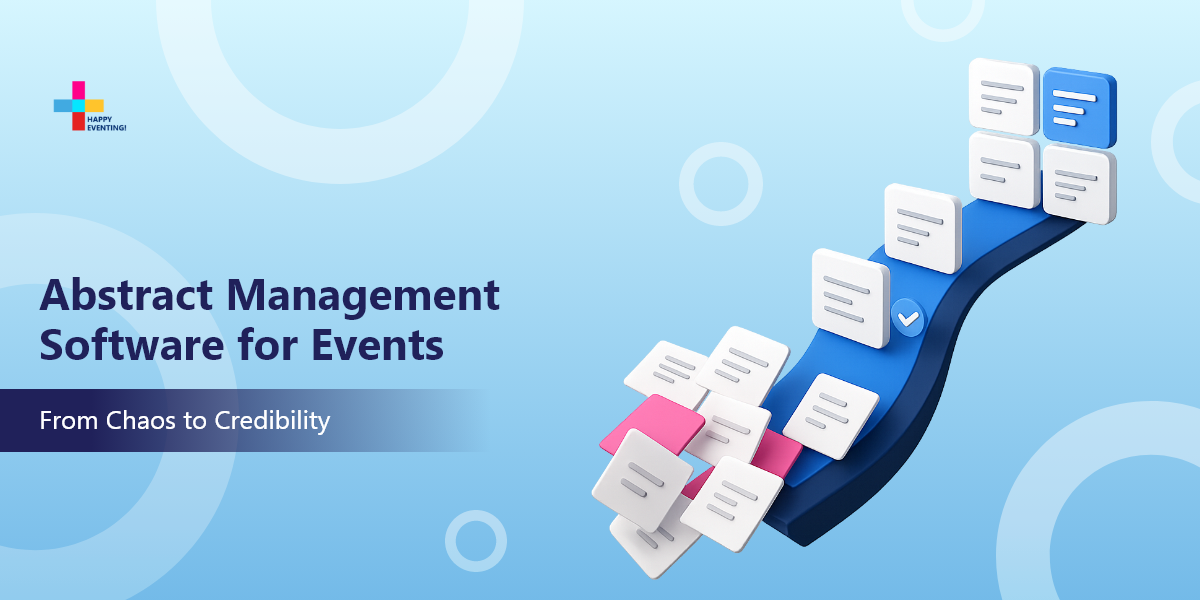

If you organize conferences for an academic association, a medical society, or any group where research is the main attraction, you know your event's success depends on the quality of its content. The "call for abstracts" is how you find that content, but it can also become your biggest headache. Managing hundreds of submissions through emails and spreadsheets is inefficient and can even hurt your event's reputation. This outdated method creates extra work, leads to mistakes, and gives a poor impression to the very researchers and speakers you want to attract.
The solution isn't to work harder — it's to use a smarter system. For event organizers who build their reputation on the quality of their conferences, getting this process right is essential.
What is Abstract Management?
Simply put, abstract management is the system for handling all presentation proposals for your conference. It's a complete process that involves several key steps:
- Collecting proposals, known as abstracts, from researchers and speakers who want to present.
- Reviewing these submissions with a panel of experts to evaluate their quality and relevance.
- Selecting the best presentations for your conference
- Publishing the final collection of abstracts for your attendees, often in a "Book of Abstracts."
- Scheduling the chosen presentations into your event agenda as talks, poster sessions, or workshops.
In the past, this was a difficult, manual process that involved a lot of paperwork. Today, modern abstract management uses specialized software to automate these steps, turning a difficult task into a smooth, professional operation.
Abstract Management Strategy—The Pre-Submission Game Plan
A great abstract management process starts long before you receive the first submission. It begins with a clear plan that connects your content goals to your event's structure. This is where you build the foundation for a process that runs smoothly.
You'll want to focus on three key areas:
Architecting Your Abstract Management Content Program
Before opening submissions, you need a clear structure for your conference program. This means finalizing important details like your event dates, format (in-person, virtual, or hybrid), and the main themes of the conference. Then, you can create specific submission tracks—like "Advances in Oncology" or "Sustainable Engineering"—to help guide authors and make the review process much easier to manage later.
Setting Abstract Management Guidelines and Rules
Clear rules are your best tool for getting high-quality, consistent submissions. Your submission guidelines set expectations for everyone. This guide should be detailed and easy to follow. Here's what it must include:
Abstract Structure: Tell authors exactly what sections to include, such as Introduction, Methods, Results, and Conclusion.
Formatting Requirements: Be specific about word count (a 300-word limit is common), title format, and any keywords they need to add.
Author Protocols: Clearly state the rules for authors, including information on co-presenters and the deadline for the main presenter to register for the event.
Clear, standardized rules are among the key benefits of abstract management. They help ensure fairness, improve submission quality, and save time during reviews.
Assembling Your Abstract Management Review Board
Your reviewers are responsible for ensuring your content is top-notch. It's vital to select a diverse committee of qualified, unbiased experts. Once you have your team, give them the tools they need to succeed. This means creating a standardized scoring guide within your management software. When reviewers score abstracts on the same set of criteria—like relevance, originality, and clarity—it ensures every submission is judged fairly.
Abstract Management in Event Planning—The Lifecycle of an Abstract
With your foundation in place, you're ready to manage the flow of submissions. This is where a good technology platform becomes essential, turning a series of manual tasks into a smooth, automated workflow. Every step, from submission to scheduling, is an opportunity to be more efficient and professional.
Let's walk through the process step by step:
The Abstract Management Submission and Review Engine
The process begins with your "call for abstracts." Share it on all your channels with a direct link to a clean, easy-to-use submission website. This is your first chance to make a great impression. A self-service portal, like Eventcombo's abstract management system, lets authors submit their work, check its status, and even make changes before the deadline—all without needing to email your team.
After the submission deadline, the review process starts. A strong system allows you to assign abstracts to the right reviewers based on their areas of expertise. It also facilitates a double-blind review, where author and reviewer identities are kept hidden to prevent bias. Reviewers can log in to their own dashboard, see their assigned abstracts, and enter their scores using the guide you created. It's a clean, organized process that maintains the integrity of the review.
From Abstract Management Acceptance to Event Agenda
Once the review committee has made its decisions, clear communication is key. An integrated system can send out automated, personalized emails for acceptances, rejections, or revision requests, keeping authors in the loop. But the biggest time-saver comes next: connecting the accepted abstracts to your event schedule.
A top-tier platform allows you to convert an accepted abstract into a live session with just a few clicks. This action should automatically pull the presentation title, author bio, and summary directly into your agenda builder. With a platform like Eventcombo, this information flows right into the Agenda Builder, filling in the session details and speaker profile for you. This one feature saves hours of work and prevents mistakes.
Publishing Your Abstract Management Program
With all your session information in one place, creating the official "Book of Abstracts" is easy. You can export it as a searchable page on your event website or include it in your mobile event app, giving attendees all the information they need. You can also use the same system to collect the final presentation files (like PowerPoint slides) from speakers, linking them directly to the right session in the agenda. With an online abstract management system, the "Book of Abstracts" becomes effortless to create and instantly accessible to attendees.
Abstract Management Software—From Data to Decisions
Moving past outdated methods requires seeing technology as more than just a tool—it's a partner that gives you a strategic advantage. While the list of features is important, the true game changer is how a modern platform gives you complete visibility and control over the entire abstract lifecycle. The days of using a mix of different, disconnected systems for submissions, registration, and scheduling are over. The modern solution is a single, unified platform where everything works together.
The Power of the Abstract Management Dashboard
A key feature that sets a professional-grade system apart is the real-time abstract dashboard. This isn't just a static report — it's your command center, giving you a real-time, bird's-eye view of the entire process.
Total Submissions: Know exactly how many abstracts have been submitted in real time
Reviewer Progress: See how many abstracts are approved, rejected, or still pending review
Identify Bottlenecks: A high number of "Pending Abstracts" is an immediate visual cue that your review process may be stalled, allowing you to proactively follow up with your review committee instead of waiting until it's too late
This dashboard transforms abstract management from a reactive, administrative task into a proactive, strategic operation. You can drill down from these high-level numbers to see individual submission statuses, manage communications, and export detailed reports.
Key Features of Abstract Management Software
When evaluating a system, a powerful analytics and reporting engine is non-negotiable. Here's what to look for:
A Centralized Dashboard: A single screen that provides a comprehensive, at-a-glance overview of your entire abstract program
Deep Customization: The ability to create submission forms and review scorecards that fit your conference's specific needs
Real-Time Analytics: Dashboards and exportable reports that give you a real-time view of submission numbers, review progress, and acceptance rates
Integrated Communication: A powerful tool for sending automated, template-based emails for every step of the process
Native Integration: The system must connect smoothly with your registration platform, agenda builder, and attendee-facing event app
The benefit of an all-in-one system, like the Eventcombo platform, is immense. When a speaker's information is entered once and then automatically flows into their registration record, their agenda session, and their mobile app profile, you create a single source of truth. This is what makes a conference operation truly professional and scalable.
Conclusion
Ultimately, mastering abstract management is more than just being organized. It's about taking control of your event's narrative and ensuring the final program is packed with high-quality, relevant content that your attendees are excited to see. A strong process shows respect for the time and effort of your speakers and reviewers, which in turn builds your conference's reputation as a premier event in your field. By moving from manual methods to a strategic, platform-based approach, you free up your team to focus on what really matters: creating an exceptional experience. You're not just managing papers — you're building the intellectual foundation of a must-attend event.
Ready to stop managing spreadsheets and start building a world-class conference program?
Book a demo to see how Eventcombo's all-in-one platform can revolutionize your abstract management process.