F216
F216

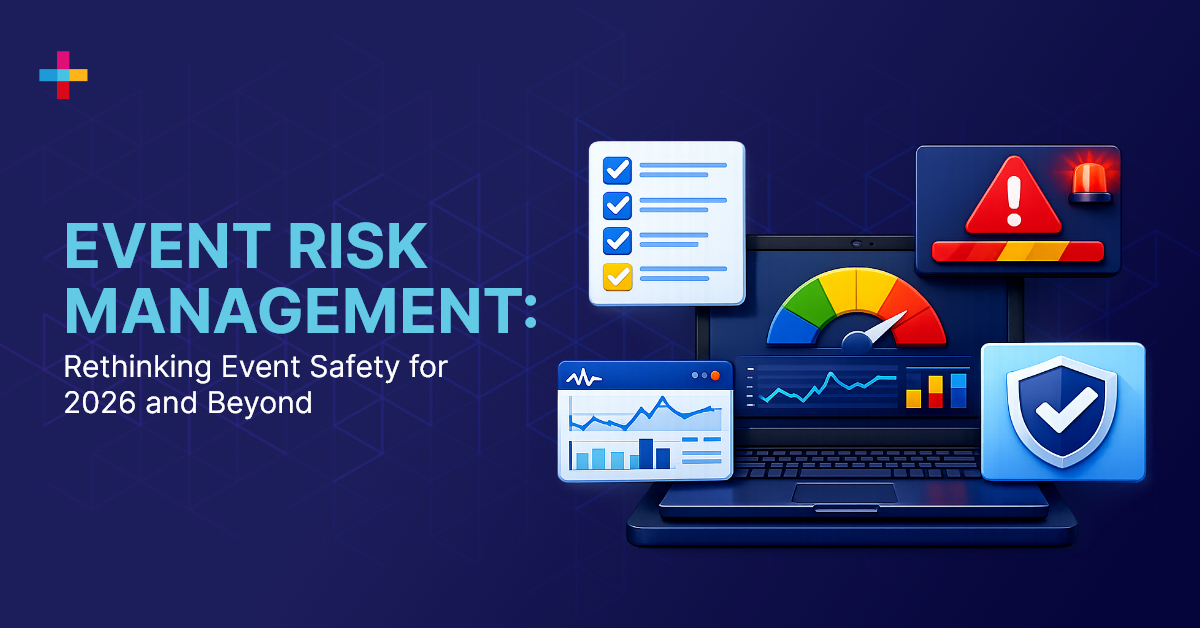

Event risk management is the process of identifying, assessing, and controlling risks that disrupt event operations, safety, and outcomes. Effective event security practices and safety planning help teams anticipate failures across logistics, technology, crowd management, and external factors before they escalate.
As events scale in size and complexity, unmanaged risks directly impact attendee safety, continuity, and brand credibility. Disruptions such as system failures, vendor breakdowns, security threats, or environmental conditions quickly escalate into financial loss and reputational damage when teams lack a defined risk framework.
Event technology delivers real-time visibility, coordinated workflows, and continuous data flow across the entire event lifecycle.
This guide explains event risk management, including how to identify risks, conduct assessments, build contingency plans, and implement strategies that maintain operational control.
What Is Event Risk Management?
Event risk management is the process of identifying, assessing, and responding to risks that can affect event safety, operations, attendee experience, or business outcomes.
It converts event risks and uncertainty into defined scenarios with assigned ownership, measurable thresholds, and pre-approved responses. Without this layer, teams operate reactively, decisions are delayed, and issues escalate before corrective action is taken. With it, execution remains controlled even when conditions change.
Event Risk Management Process: Step-by-Step Overview
The event risk management process includes five steps:
- Identify risks
- Assess likelihood and impact
- Prioritize risks
- Assign ownership
- Prepare mitigation and contingency plans
Risks extend beyond safety concerns. They include any disruption that affects operations, attendee experience, or execution outcomes. This expanded scope requires teams to evaluate risks across logistics, technology, vendors, and on-site environments.
Common examples of event risks include:
- Weather disruptions, such as rain affecting outdoor events
- Speaker-related issues, including delays or last-minute cancellations
- Technical failures, such as power outages or equipment malfunctions
- Safety incidents, including fire hazards or crowd congestion
These risks vary based on event type, location, scale, and complexity. Each event requires risk evaluation aligned with its environment and dependencies.
An effective risk management framework depends on risk analysis. By assessing likelihood and impact, teams prioritize critical issues, allocate resources efficiently, and maintain control under pressure.
Why Event Risk Management Matters for Modern Events
Event risk management becomes critical as events increase in scale, complexity, and reliance on multiple systems. Larger audiences, expanded vendor networks, and layered technologies raise the likelihood of disruptions.
As complexity grows, failures such as vendor delays, system breakdowns, or security incidents directly impact outcomes and stakeholder trust. These unmanaged risks lead to financial loss, legal exposure, and reputational damage.
Given these challenges, event safety planning has become a baseline requirement. Attendees, partners, sponsors, and stakeholders expect clear protocols for crowd control, health measures, and emergency response. Gaps in planning increase incident risk and reduce overall control.
A well-defined risk management approach improves visibility, strengthens coordination, and keeps teams prepared before, during, and after the event.
Types of Event Risks in Event Management
Risks in event management arise from systems, vendors, external disruptions, and safety threats. Each category affects outcomes differently and requires targeted planning to reduce impact. Understanding these types of event risks is essential for maintaining execution control.
These event risk management examples help teams understand where failures usually happen and how to plan before they affect safety, budgets, or event continuity.
Operational Risks
Operational risks in event management originate from system failures, process gaps, or execution errors during delivery. These risks are driven by the absence of event planning software, leading to inadequate preparation, equipment misconfiguration, and breakdowns in communication and coordination.
For example, a keynote session may face disruption if presentation systems fail at the start of the session. Such failures affect attendee experience and disrupt event flow. Thorough validation of systems, processes, and dependencies before the event reduces these risks significantly.
Vendor Risks
Vendor risks arise when supplier decisions, service failures, or delivery gaps affect event quality and continuity. Prioritizing cost over reliability can introduce risk into critical event components.
For instance, a new vendor may fail to deliver adequate catering or provide substandard services, leading to attendee dissatisfaction and reputational damage. These risks directly affect attendee satisfaction, sponsor relationships, and future business opportunities.
Financial Risks
Financial risks occur when budget overruns, low attendance, refund exposure, insurance gaps, or unexpected supplier costs affect event outcomes. By using event budget management software, teams define cost thresholds, approval workflows, and financial fallback plans before the event.
Environmental Risks
Environmental risks involve external conditions that can disrupt event execution, such as severe weather, poor air quality, extreme temperatures, or venue-adjacent conditions that affect access and safety.
For example, severe weather may force an outdoor event to move indoors, delay entry, or activate an evacuation plan. While these risks cannot always be prevented, weather monitoring, backup venues, evacuation plans, and insurance coverage reduce exposure and support faster recovery.
Safety and Security Risks
Safety and security risks originate from identifiable weaknesses such as inadequate access control, poor crowd management, limited emergency readiness, or unsafe environments.
For instance, insufficient security at a large gathering may allow unauthorized access, resulting in disruption or harm. Effective monitoring, access control, and safety protocols reduce these risks and protect attendees, assets, and overall execution.
Event Risk Assessment: How to Identify, Evaluate, and Prioritize Risks
A well-executed event risk assessment improves safety for attendees, speakers, staff, and stakeholders while supporting better control across all event stages.
The event risk management process usually follows four steps: identify risks, evaluate likelihood and impact, prioritize by severity, and document actions in a checklist.
Understanding how to conduct an event risk assessment enables event teams to anticipate issues early and respond with precision.
Step 1: Identify Potential Risks
The first step in event risk assessment involves identifying all possible risks that may affect the event. Risks in event management extend across multiple areas and require comprehensive evaluation.
Key risk categories include:
- General risks: weather disruptions, logistical challenges, or technical failures
- Crowd risks: overcrowding, congestion, and evacuation challenges
- Health risks: spread of contagious illnesses, lack of sanitation measures
- Location risks: venue constraints, structural limitations, restricted access points
- Security risks: theft, unauthorized access, or asset damage
- Personal safety risks: accidents, injuries, or inadequate medical readiness
- Digital risks: platform failures, connectivity issues, or data breaches in virtual events
Each category introduces distinct challenges that influence event outcomes. Early identification improves preparedness and reduces exposure to disruptions.
Step 2: Evaluate Risk Impact and Likelihood
After identifying risks, the next step in an event risk assessment is to evaluate both the likelihood of occurrence and the potential impact.
Some risks occur frequently with minimal disruption, while others remain rare but carry severe consequences. Evaluating both dimensions provides clarity on which risks require immediate attention and which demand monitoring.
This stage improves visibility into risk exposure and supports informed decision-making across event teams.
Step 3: Prioritize Risks Based on Severity
Once risks are evaluated, prioritization becomes essential. Risks with higher impact and higher likelihood require immediate focus, while lower-risk items receive secondary attention.
This prioritization enables efficient resource allocation while ensuring that the critical risks receive the attention needed to maintain control throughout the event. Without prioritization, teams face difficulty responding effectively during high-pressure situations.
Step 4: Create a Risk Checklist
The final step in event risk assessment involves consolidating all identified and prioritized risks into a detailed checklist. This checklist acts as a reference point throughout the event lifecycle and ensures that no critical element is overlooked.
A well-defined checklist improves coordination across teams, strengthens accountability, and supports consistent execution. It also functions as a tracking mechanism to verify that event risk mitigation measures remain in place before and during the event.
Event Risk Assessment Checklist Example
Use this event risk assessment checklist as a starting point. Each risk should be reviewed by likelihood, impact, owner, and response plan before the event goes live.
|
Risk Category |
Example Risk |
Likelihood |
Impact Level |
Owner |
Action Required |
|
General |
Weather disruption |
Medium |
High |
Event Director |
Backup venue or contingency plan |
|
Crowd |
Overcrowding |
High |
High |
Operations Manager |
Crowd control measures |
|
Health |
Disease spread |
Low |
Medium |
Health & Safety Lead |
Sanitation and screening |
|
Location |
Limited access points |
Medium |
High |
Venue Manager |
Entry and exit planning |
|
Security |
Unauthorized access |
Medium |
High |
Security Lead |
Access control systems |
|
Digital |
Platform failure |
Low |
Medium |
IT / Technical Lead |
Backup systems and failover setup |
How to Create an Event Risk Management Plan After Assessment
After the risk checklist is complete, the next step is to build an event risk management plan that defines ownership, preventive measures, contingency actions, and communication protocols.
An event risk management plan defines how identified event risks are addressed before and during the execution of the event. It translates event risk assessment insights into actionable strategies to manage events safely and consistently.
Define Preventive Measures
The first step in an event risk management plan focuses on prevention. Each risk category requires targeted measures that reduce exposure before issues arise.
To begin with, access points must remain secured and continuously monitored to prevent unauthorized entry. In addition, infrastructure such as power, internet connectivity, event data security plans, and weather protection should align with event requirements to avoid disruption.
By addressing these elements in advance, event teams reduce the likelihood of interruptions during execution.
Assign Risk Ownership
Once preventive measures are defined, assigning clear ownership becomes an essential step to ensure accountability across all event risk categories. Each identified risk should have a designated individual or team responsible for timely action when issues arise.
This clarity removes ambiguity and helps teams respond faster during critical situations. For example, security teams manage access control and threat identification, while technical teams oversee system reliability and connectivity.
As a result, clearly defined ownership enhances coordination and ensures every risk remains actively monitored and receives the right level of attention.
Develop Event Contingency Plans
In addition to preventive measures, contingency planning addresses scenarios where disruptions still occur. This phase focuses on preparing fallback responses that maintain continuity under unexpected conditions.
For instance, backup power arrangements address outages, while alternative vendors reduce reliance on a single supplier. Similarly, predefined crowd control responses support safe movement during peak congestion.
Together, these event risk management strategies prevent disruptions from escalating into larger failures and protect overall event flow.
Event Contingency Planning Examples
Examples of contingency plans for events include backup power for outages, alternate suppliers for vendor failure, indoor options for severe weather, overflow routes for crowd congestion, and backup platforms for virtual or hybrid sessions.
Set Monitoring and Communication Systems
Modern event execution requires a centralized approach where risk assessment, monitoring, and response protocols operate within a unified platform.
As the event moves into execution, continuous monitoring and clear communication become essential for maintaining visibility across all risk areas. Real-time insights into crowd behavior, system performance, and security conditions enable faster identification of emerging issues.
At the same time, well-defined communication protocols ensure alignment across teams, vendors, and stakeholders. This coordination supports faster decisions and keeps response actions aligned as conditions change.
6 Event Risk Mitigation Strategies During Live Events
Event risk mitigation strategies focus on managing risks in real time as events unfold. Once the event risk management plan is in place, attention shifts toward how to manage risks in events during live execution. At this stage, every decision directly influences safety, continuity, and attendee experience.
1. Manage Crowd Risks
Crowd risk management starts with clear movement planning, capacity control, and real-time monitoring.
Key crowd management strategies include:
- Designate clear entry and exit points to regulate access and movement
- Enforce venue capacity limits to control overcrowding
- Use signage and announcements to guide attendees efficiently across different zones
- Implement security checks, including bag inspections and metal detectors
- Deploy crowd monitoring systems such as CCTV and real-time tracking tools
- Train staff in crowd management and emergency response procedures
- Conduct post-event evaluations to refine future crowd management strategies
2. Prepare for Medical Emergency Risks
Alongside crowd management, preparing for medical emergencies is a top priority. To prevent medical emergency risks, organizers should consider the following health risk mitigation strategies in addition to having trained medical professionals on-site.
- Set up first aid stations
- Stock essential medical supplies
- Direct attendees to medical stations
- Ensure staff are trained to recognize medical emergencies on-site
- Remove venue hazards like loose wiring and unsteady billboards
- Set up an emergency response team and ensure they are familiar with the venue layout
- Establish direct communication with nearby hospitals
3. Prevent Unpredictable Weather-Related Risks
Weather can affect indoor and outdoor events, so teams need contingency plans before conditions change. Weather risk planning helps protect attendees, equipment, schedules, and venue operations.
The following are some strategies to protect attendees and mitigate damage.
- Follow weather reports before and during events
- Arrange alternate indoor venues or covered areas
- Provide hydration stations and climate control for hot weather
- Provide heating inside the venue for cold weather
- Secure equipment for severe weather conditions such as strong winds or heavy rain
- For outdoor events, install temporary weather protection such as tents and covered walkways.
- Set up an emergency evacuation plan for extreme weather conditions
4. Reduce Location-Based Risks
In addition to health considerations, location-based risks require attention to venue conditions. The following strategies help manage risks related to event size, venue location, local regulations, and access requirements.
- Share clear transportation instructions
- Designate adequate parking areas
- Offer shuttle services to attendees if needed
- Plan separate entry for attendees, VIPs, speakers, staff, and other stakeholders
- Ensure clear access to emergency vehicles
- Keep emergency exits easily accessible
- Cooperate with local authorities for road closures
5. Prevent Technical Failure
Tech is the backbone of modern events. From lighting and sound to check-in and virtual access, tech supports nearly every part of modern event delivery. To mitigate technology-related risks, event planners should consider the following strategies:
- Test all AV equipment, internet connectivity, and event platforms before the event
- Maintain backup internet connections and power sources
- Assign technical teams to monitor systems continuously
- Prepare fallback solutions for presentations and digital displays
- Use redundant systems for critical event functions such as check-in
- Monitor platform performance in real time during virtual or hybrid events
6. Manage Food Safety Risks
Food safety should be treated as a core event risk area because it directly affects attendee health, venue compliance, and brand trust. Event planners should follow the guidelines below to prevent injuries and health-related incidents among attendees during the event.
- Conduct background checks on food vendors to ensure consistent quality and reliability
- Monitor food storage practices to maintain proper hygiene conditions
- Display clear allergen information and ingredient details for all food items
- Train staff on hygiene protocols and safe food handling practices
- Maintain appropriate temperature control for both hot and cold food items
- Inspect vendor booths regularly to maintain cleanliness standards
- Separate food waste from general waste to maintain sanitation
How to Evaluate Risk Management Performance
Event risk evaluation determines how effectively teams managed risks across the event lifecycle. Measuring performance requires a clear review of outcomes, response quality, and stakeholder feedback. By tracking event risk management performance metrics, teams gain visibility into gaps, refine strategies, and improve future execution.
Key Metrics to Track Event Risks
Measuring event risk management success begins with tracking critical indicators that reflect both prevention and response. These metrics provide direct insight into how risks impacted the event and how effectively teams handled them.
- Incident Reports: Track all reported incidents, including safety concerns, theft, or disruptions. Analyze frequency, severity, and root causes to identify patterns and recurring vulnerabilities.
- Attendee Safety Feedback: Collect feedback through post-event surveys focused on safety perception. Evaluate whether attendees felt secure and whether safety measures remained visible and effective throughout the event.
- Response Effectiveness: Measure how quickly and efficiently teams responded to incidents. Assess response time, coordination across teams, and the ability to contain issues before escalation.
Post-Event Risk Evaluation Process
A thorough event risk evaluation continues after the event concludes. Teams must revisit the original risk assessment checklist and compare planned mitigation efforts against actual outcomes.
Start by analyzing incident reports alongside response actions to identify strengths and breakdowns. Next, review communication effectiveness across teams and stakeholders to determine whether safety protocols remained clear and actionable during execution.
In addition, gather insights from on-ground teams through debrief sessions. These discussions reveal practical challenges, response gaps, and coordination issues that may not appear in reports.
By combining data analysis, attendee feedback, and team insights, event risk evaluation becomes a continuous improvement process that strengthens future event performance and risk control.
Conclusion
Event risk management is a complex process because it involves many variables and demands attention, discipline, and consistent execution. However, a well-defined event risk management approach gives teams a clearer way to make decisions before, during, and after the event.
Use available resources such as checklists, templates, and predefined risk frameworks to maintain control and reduce uncertainty. With the right tools, teams can focus on delivering high-quality event experiences while maintaining safety and continuity.
Eventcombo helps teams manage event risk by centralizing registration, ticketing, check-in, access control, attendee communication, onsite operations, and post-event reporting in one connected platform. This gives teams better visibility before, during, and after the event, so risks are easier to track, communicate, and address.
Leverage Eventcombo to create streamlined and personalized event experiences for your attendees — book a free demo today!