 F216
F216


Use AI or Fall Behind: Navigating Impossible Expectations at Work
How to Respond When Leadership Demands AI Adoption Without Support

Today’s professionals are navigating a workplace where AI isn’t optional — but the path forward isn’t always clear.
Across industries, professionals are being told to “use AI” — often without training, clear
policies, or defined outcomes. The message is simple: adapt quickly or risk being left behind.
The reality is far more complex.
This 40-minute webinar addresses the growing gap between leadership expectations and
on-the-ground realities, especially for mid-career women in tech navigating top-down pressure
to adopt AI tools responsibly and safely.
In this session, we’ll explore:
● Why many organizations mandate AI before establishing guardrails, governance, or
success metrics
● Real case examples of teams told to “just figure it out” — and the professional, ethical,
and operational risks that followed
● How unclear AI expectations quietly increase individual liability and stress
● Strategic ways to respond when support is missing: asking the right questions, setting
boundaries, and protecting your credibility
● How to decide what to learn first so you stay relevant without burning out or chasing
every new tool
This session is designed for women in tech who are expected to move fast with AI — and want
a smart, self-protective way to do so.
Meet the Presenter:
Holly Hartman
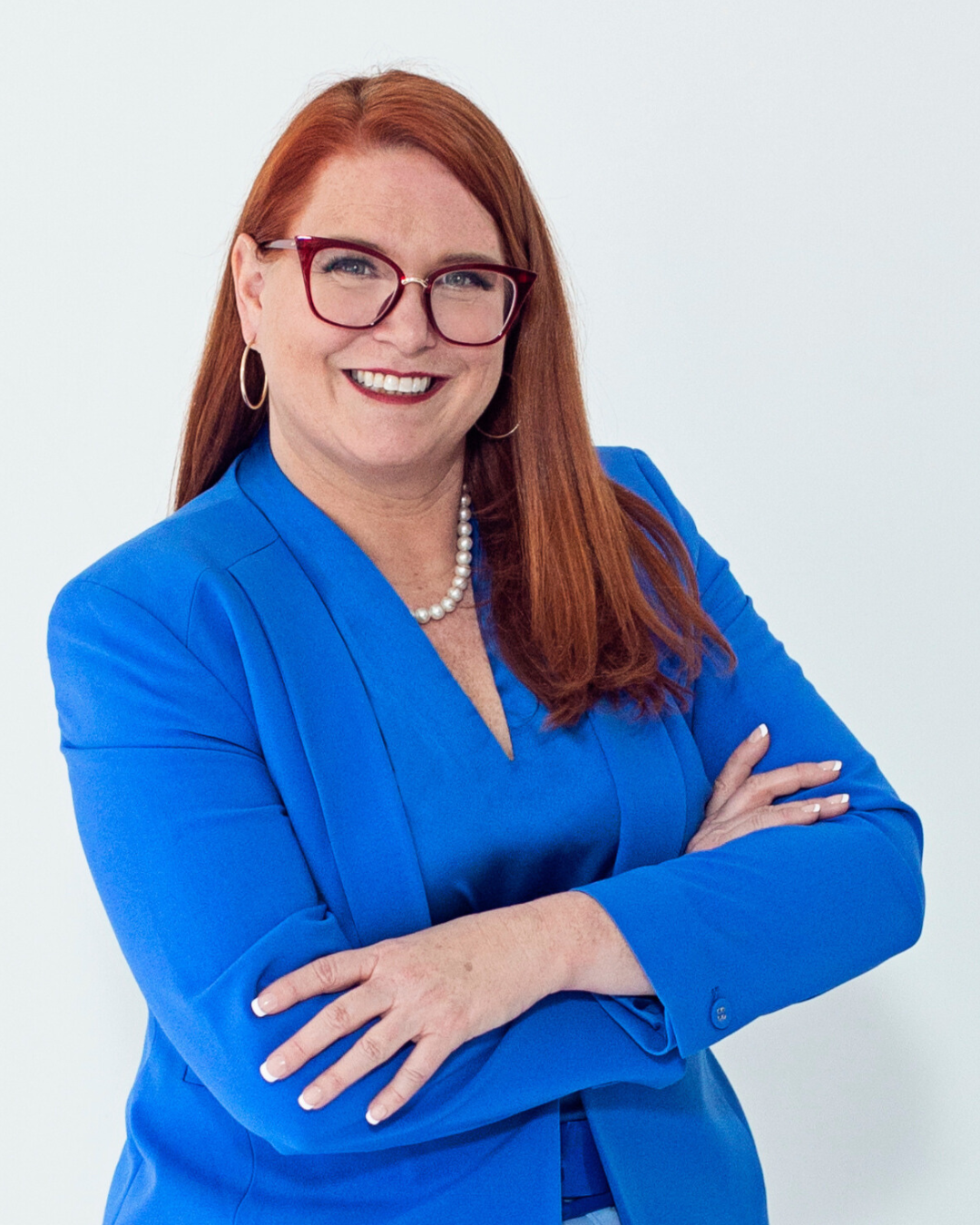
Holly Hartman
is a collaboration and organizational strategy consultant, speaker, and
ecosystem builder specializing in how people, teams, and systems adapt during periods of rapip change.
She works with professional services firms, tech-enabled organizations, and leadership teams to navigate complex transitions involving AI, decision-making, and collaboration — with a strong focus on psychological safety, execution clarity, and sustainable adoption.
Holly is the founder of CollabIntel Consulting Group and has spent over a decade helping organizations implement new tools and frameworks without burning out their people. She brings a practical, human-centered lens to AI adoption — bridging strategy, emotional intelligence, and real-world application.
{{eventInfo.SpeakerLabel}}
{{ key == 'null' ? '' : key}}
Frequently Asked Questions



 {{ticket.TicketName}}

 {{member.BuyerName}}