F216
F216

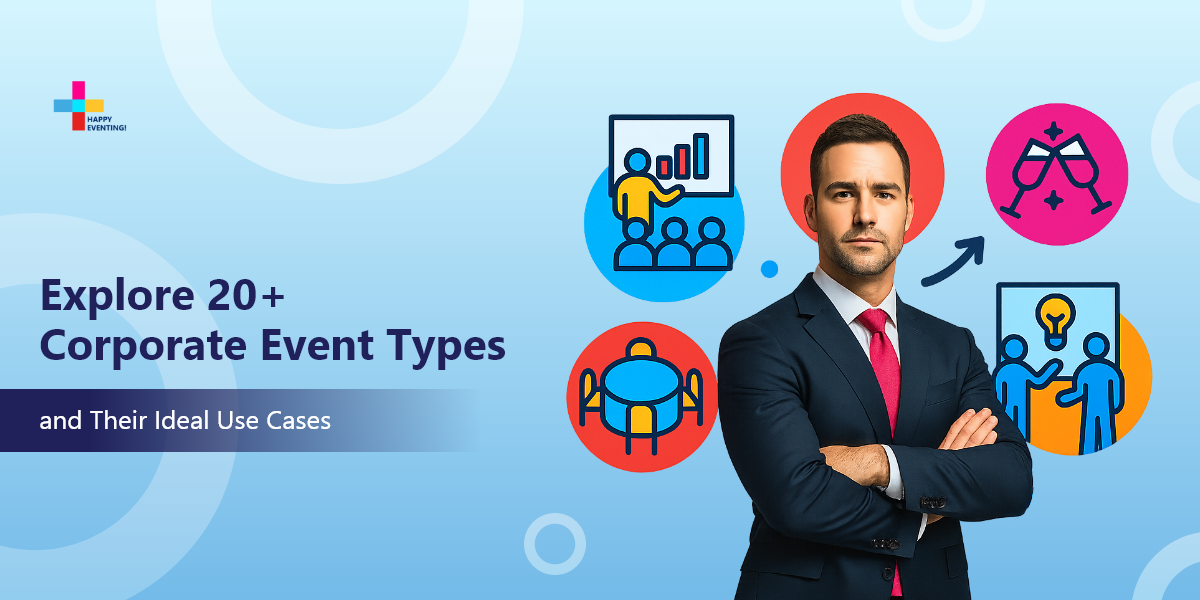

Corporate events are how companies bring people together to drive business forward, whether that’s customers, partners, prospects, or their own teams. Organizations are using different types of corporate events to transform ideas into action, ignite momentum, influence key decisions, and create value that goes far beyond what any spreadsheet can track. Each type of corporate event has a specific intent. It could be
- generating high-quality leads,
- growing your network with the right people,
- bringing your team together beyond Slack threads and Zoom calls,
- making your best clients feel valued, and
- injecting fresh energy into your company culture.
All these make it essential for B2B companies to identify the right types of corporate events that align with their goals and purpose.
Whether you're a startup trying to rally the troops or an enterprise looking for global partnerships, corporate events should be designed with purpose. Here is a comprehensive list of 20 types of corporate events ranked by what matters most in the B2B world
Because anyone can rent a ballroom. The magic is in how you use it.
20 Types of Corporate Events
Don’t let your teams get confused between different types of corporate events. Give them a clear breakdown of what each one is, how it works, the benefits, challenges, and key considerations before deciding which format to use.
1. Trade Shows
Trade shows are large-scale, industry-specific events where companies showcase products or services to potential clients, partners, and media through booths and exhibits.
These types of corporate events offer direct access to decision-makers and high-value leads, making them one of the most effective formats for visibility and growth. Trade shows also provide a platform to demonstrate expertise, launch new products, and gather market insights that can influence your strategy.
How It Works: Companies secure booth space at convention centers, designing compelling displays with interactive elements like product demos and live presentations. Events span multiple days, with attendees including buyers, industry professionals, and media.
Key Benefits:
- Delivers exceptional ROI through lead retrieval system.
- Amplifies brand visibility with targeted exposure.
- Enables real-time competitor analysis and market intelligence.
- Accelerates sales cycles by connecting directly with decision-makers.
- Creates opportunities for media coverage and industry recognition.
Challenges:
- High investment required for booth fees and professional setup.
- Intense competition for attendee attention.
- Pressure to execute rapid lead follow-up.
- Requires extensive pre-event marketing.
Key Considerations:
- Technology: Utilize tools like on-site badging for seamless check-ins and elevating attendee experience from the start.
- Marketing: Amplify presence via social media and industry networks.
- Staff Training: Equip booth staff with tight, persuasive elevator pitches
- Follow-Up: Prioritize lead follow-up within 48 hours.
2. Conferences
Conferences are content-driven events, typically lasting 1–3 days, designed to unite prospects, customers, internal teams and industry peers under a unifying theme focused on learning and networking.
They help establish thought leadership, fuel sales pipelines with high-intent prospects, and build market credibility. Conferences attract C-suite executives and senior decision-makers, offering a platform to showcase expertise and forge strategic partnerships.
How It Works: Conferences feature keynote speeches, panel discussions, workshops, and networking sessions. Formats vary from single-theme conferences that go deep on niche topics, to multi-track agendas designed for diverse audiences, to hybrid models that blend in-person and virtual attendance.
Key Benefits:
- Establishes thought leadership through cutting-edge insights.
- Generates premium lead flow with high-intent prospects.
- Facilitates connections with C-level executives.
- Provides real-time market intelligence.
- Amplifies brand visibility through sponsorships.
Challenges:
- High investment for venues, speaker fees, and production
- Complex logistics when managing hybrid formats
- Difficult to maintain consistently high-quality content
- Competitive speaker landscape
Key Considerations:
- Technology: Use a smart event platform to manage planning, registration, and analytics in one place.
- Marketing: Promote across channels to boost visibility and drive targeted attendance.
- Content Quality: Bring in top speakers and topics that deliver real value to your audience.
- Networking: Design intentional spaces and structured formats that encourage meaningful interactions
3. Product Launches
Product launches are high-impact events designed to unveil new products or services to clients, media, and industry influencers with maximum fanfare and strategic positioning.
They generate excitement, attract media coverage, and drive immediate sales momentum. A well-executed launch sets the tone for market entry and shapes long-term brand perception.
How It Works: Launches range from high-production in-person events to interactive virtual livestreams, featuring immersive demos, executive keynotes, and hands-on experiences. Strategic guest lists focus on key clients, journalists, and influential voices who can amplify reach.
Key Benefits:
- Creates immediate market excitement and sustained buzz.
- Generates extensive media coverage.
- Accelerates sales velocity with early traction.
- Positions the brand as premium and innovative.
- Builds relationships with media and key stakeholders.
Challenges:
- Substantial production costs.
- High risk of technical failures during demonstrations.
- Coordination complexity across departments.
- Managing expectations while maintaining product secrecy.
Key Considerations:
- Planning: Manage every logistic with precision and build backup plans to stay ahead of surprises.
- Marketing: Drive impact with integrated campaigns that connect across every touchpoint.
- Engagement: Boost participation with interactive sessions, live demos, and real-time feedback.
- Follow-Up: Provide clear next steps, purchase options, and fast post-event support
4. Client Appreciation Events
Client appreciation events are exclusive, premium gatherings designed specifically to thank the clients for their business and strengthen long-term relationships through memorable experiences.
These types of corporate events shift the dynamic from transactional to personal, increase client retention, and encourage referrals by making clients feel genuinely valued.
How It Works: Their formats range from intimate dinners to VIP experiences like exclusive concerts or luxury retreats. Invitations are highly personalized, focusing on genuine gratitude rather than sales pitches.
Key Benefits:
- Dramatically enhances client loyalty and reduces churn.
- Stimulates organic referrals and word-of-mouth marketing.
- Strengthens brand reputation through client advocacy.
- Creates upselling opportunities in relaxed environments.
- Build personal relationships that transcend business.
Challenges:
- Significant investment for premium experiences.
- Balancing inclusivity while maintaining exclusivity.
- Avoiding overly sales-focused approaches.
- Managing diverse client preferences.
Key Considerations:
- Personalization: Tailor experiences to individual client preferences.
- Tone: Maintain an authentic, gratitude-driven approach, not promotional
- Venue: Select upscale, exclusive locations.
- Follow-Up: Send personalized thank-you to reinforce the relationship.
5. Business Dinners
Business dinners are intimate, strategic meals hosted in upscale settings to discuss deals, partnerships, or client needs while building trust through personal connections.
They offer the ideal setting for having conversations that go beyond the boardroom. In a relaxed, face-to-face environment, barriers drop and honest dialogue flows more easily, often leading to faster decisions.
How It Works: Held at premier restaurants or private venues, dinners involve carefully selected small groups. Conversations blend business strategy with personal connection over expertly curated menus.
Key Benefits:
- Accelerates trust building through personal interaction.
- Facilitates complex negotiations in low-pressure environments.
- Strengthens existing relationships while opening new opportunities.
- Creates memorable experiences that differentiate your brand.
- Lays the foundation for long-term partnerships.
Challenges:
- Premium costs for upscale venues.
- Balancing business focus with social interaction.
- Ensuring inclusivity for dietary restrictions.
- Managing natural, productive conversation.
Key Considerations:
- Venue: Choose quiet, private spaces for focused conversations.
- Guest List: Limit groups to 4–8 participants to encourage meaningful interaction.
- Menu: Offer diverse, high-quality options that reflect thoughtful hospitality.
- Follow-Up: Document next steps and maintain momentum post-dinner.
6. Networking Events
Networking events are structured, large-group gatherings designed to connect professionals across companies, industries, or roles for new business opportunities, partnerships, and long-term relationship building.
Unlike business dinners, which are intimate and deal-focused, networking events are broader in scope, designed for discovery over depth. They're about making first contacts, starting conversations, and expanding visibility in a strategic, face-to-face setting.
They build foundational relationships that can later evolve into partnerships, client wins, or referral networks. When executed well, these events generate early pipeline momentum and establish your presence within key communities.
How It Works: Formats include cocktail receptions, speed networking, industry mixers, and peer roundtables. These events typically feature light programming, strategic icebreakers, and open-floor interactions to maximize interaction.
Key Benefits:
- Expands professional networks with targeted contacts.
- Builds brand awareness in relevant industry circles.
- Surfaces future business and referral opportunities.
- Positions your company as accessible and relationship-first.
- Encourages collaboration across roles and sectors.
Challenges:
- Maintaining interaction quality at scale.
- Ensuring relevance across diverse attendee interests.
- Networking fatigue without proper facilitation.
- ROI can be long-term and hard to measure.
Key Considerations:
- Format: Utilize structured activities like speed networking, enhanced by AI matchmaking to connect the right attendees.
- Venue: Select comfortable, open venues that naturally encourage interaction.
- Promotion: Target specific industries to ensure relevant, high-value alignment.
- Follow-Up: Implement a systematic contact collection process to support post-event engagement.
7. Executive Retreats
Executive retreats are focused, offsite gatherings for senior leadership teams to align on company vision, define strategy, and strengthen high-level relationships in a distraction-free setting.
Unlike conferences or company offsites, executive retreats are intentionally small; closed-door gatherings centered on strategic alignment, not broad content delivery or employee engagement.
They help leadership recalibrate mission-critical goals, foster unified decision-making, and surface ideas that shape the company’s next phase of growth.
How It Works: Held at inspiring resorts or retreat centers, events blend intensive strategy sessions with relationship-building activities. Agendas include strategic planning, vision alignment, and collaborative problem-solving.
Key Benefits:
- Aligns leadership around key business objectives.
- Strengthens trust and collaboration among executives
- Surfaces innovative solutions through focused dialogue
- Improves decision-making velocity post-retreat
- Creates a unified vision that cascades across the organization
Challenges:
- High investment for premium venues and professional facilitation.
- Balancing strategic work with team-building time.
- Ensuring tangible outcomes and follow-through.
- Navigating different leadership styles and priorities.
Key Considerations:
- Venue: Select inspiring, distraction-free locations that minimize distractions and inspire focus.
- Agenda: Balance strategic discussions with team-building activities to strengthen cohesion.
- Facilitation: Engage professional moderators to guide conversations and maximize outcomes.
- Follow-Up: Document key decisions and assign clear accountability for the next steps.
8. Board Meetings
Board meetings are formal, governance-focused gatherings of company directors held to review business performance, make strategic decisions, and ensure accountability to shareholders.
Because they involve cross-functional leaders, formal voting, and investor-facing decisions, these meetings require the same strategic planning and precision as any high-stakes business event.
How It Works: Typically held quarterly or annually in boardrooms or secure virtual environments, meetings include financial reviews, strategic presentations, risk analysis, and formal resolutions on key issues.
Key Benefits:
- Drives strategic decision-making with diverse board expertise.
- Ensures transparency and accountability to shareholders.
- Maintains investor confidence through professional governance.
- Aligns directors on long-term business priorities
- Fulfills legal and regulatory requirements.
Challenges:
- Managing diverse opinions among independent members.
- Ensuring concise, data-driven presentations.
- Virtual meetings may reduce engagement.
- Maintaining confidentiality while ensuring transparency.
Key Considerations:
- Preparation: Distribute comprehensive agendas in advance to ensure alignment and readiness.
- Technology: Utilize secure, reliable platforms for seamless virtual collaboration.
- Documentation: Maintain accurate, accessible meeting minutes for clear follow-through.
- Engagement: Encourage open dialogue and diverse perspectives to enrich discussion.
9. Shareholder Meetings
Shareholder meetings—often held as annual general meetings—bring company leadership and investors together to review performance, strategic plans, and governance updates.
These meetings serve as a milestone on the corporate calendar, combining legal compliance with brand positioning and investor engagement in a single, high-visibility format.
How It Works: Meetings held in person or virtually include executive presentations, financial disclosures, strategic roadmaps, and Q&A sessions. Shareholders also vote on major proposals including board elections and compensation packages.
Key Benefits:
- Strengthens investor relations through direct communication.
- Ensures regulatory compliance.
- Clarifies company vision for the investment community.
- Builds stakeholder trust through honest reporting.
- Demonstrates corporate governance commitment.
Challenges:
- Managing challenging shareholder questions.
- Coordinating large, diverse audiences.
- Technical complexities of virtual formats.
- Balancing transparency with competitive protection.
Key Considerations:
- Transparency: Provide clear and honest financial updates to build stakeholder trust.
- Technology: Deploy reliable platforms to ensure smooth and secure virtual meetings.
- Engagement: Allocate sufficient time for Q&A to address investor concerns directly.
- Follow-Up: Distribute comprehensive meeting summaries for continued clarity and alignment.
10. Press Conferences
Press conferences are formal, media-focused events held to announce major company news while maintaining full control over message delivery and brand narrative.
These events are used to shape public perception, clarify key updates, and ensure accurate information reaches the right audiences through trusted media channels.
How It Works: Hosted at professional venues or broadcast virtually, press conferences include executive presentations, formal announcements, and moderated Q&A sessions with journalists and analysts.
Key Benefits:
- Builds significant brand visibility through media coverage.
- Maintains complete control over messaging and delivery
- Engages press and industry influencers directly
- Amplifies announcements across multiple communication channels
- Positions company leadership as authoritative voices in the industry
Challenges:
- Navigating difficult or off-script questions from journalists.
- Maintaining consistent messaging across all spokespeople
- Technical issues in hybrid or virtual broadcasts
- Balancing transparency with confidentiality around sensitive topics
Key Considerations:
- Messaging: Develop clear and consistent talking points that align with your brand narrative.
- Training: Prepare executives with media coaching to handle interviews and live questions.
- Promotion: Invite targeted media contacts to drive credible coverage.
- Follow-Up: Distribute comprehensive press kits with key information and assets post-event.
11. Seminars
Seminars are focused, expert-led events that dive deep into a specific topic or industry theme, providing educational value through interactive discussions and practical takeaways.
Unlike conferences, which span multiple topics and audiences, seminars are tightly focused sessions designed for hands-on learning and high-value knowledge exchange.
They attract a highly targeted audience, ideal for lead generation, client engagement, and demonstrating niche authority in your space.
How It Works: Hosted in meeting rooms or on virtual platforms, seminars feature subject matter experts delivering actionable presentations, often followed by Q&As, breakout discussions, or small-group networking.
Key Benefits:
- Attracts high-intent prospects actively seeking solutions in your niche.
- Establishes thought leadership in specialized areas.
- Provides direct engagement with potential clients.
- Delivers strong ROI compared to larger, resource-intensive formats
- Creates opportunities for immediate demonstrations.
Challenges:
- Limited audience size may restrict their reach.
- Requires compelling, focused content.
- Virtual seminars may face technical difficulties.
- Competition for expert speakers.
Key Considerations:
- Content: Develop actionable content with clear, practical takeaways.
- Promotion: Target niche audiences through specialized, high-conversion campaigns.
- Technology: Utilize professional webinar platforms to ensure a seamless experience.
- Follow-Up: Implement systematic lead capture to maximize post-event conversions.
12. Workshops
Workshops are intensive, hands-on sessions where participants gain practical skills through guided exercises, real-time demonstrations, and collaborative problem-solving. Unlike seminars that focus on ideas and discussion, workshops are built for doing—immersing attendees in tasks that replicate real-world scenarios.
They blend education with experience, making them ideal for showcasing product capabilities or helping prospects and teams solve specific business challenges on the spot.
How It Works: Led by expert facilitators, workshops focus on a single topic or tool. Participants engage in live walkthroughs, role-plays, group challenges, and exercises that require real-time application of concepts.
Key Benefits:
- Build practical skills through hands-on learning.
- Demonstrates product value through direct, real-world application
- Creates high engagement through active participation.
- Generates high-quality leads through extended participant involvement
- Reinforces brand expertise through experiential teaching
Challenges:
- Varying skill levels can affect pace and engagement.
- Requires highly focused facilitation to manage group dynamics
- Virtual delivery can limit hands-on interactivity
- Needs to balance brand exposure with real educational value
Key Considerations:
- Content: Design interactive exercises that deliver immediate, transferable outcomes.
- Facilitation: Engage skilled trainers to deliver engaging and effective instruction.
- Technology: Leverage virtual platforms equipped with collaborative tools for hands-on learning.
- Follow-Up: Provide comprehensive resources and certifications to reinforce learning and credibility.
13. Training Sessions
Training sessions are structured, outcome-driven programs designed to build essential skills or transfer knowledge to employees, partners, or clients through instruction, practice, and reinforcement. Unlike workshops that invite external participation, training sessions are often internal-facing and focused on long-term knowledge transfer, performance, and compliance.
They’re critical for onboarding, upskilling, product education, and ensuring consistent execution across teams or customer groups.
How It Works: Led by trainers or subject matter experts, sessions follow a planned curriculum using demonstrations, guided practice, and periodic assessments. They may be conducted in-person or virtually and often include progress tracking and certification.
Key Benefits:
- Elevates team performance through consistent skill-building.
- Enhances customer adoption and satisfaction through education.
- Supports compliance by embedding regulatory knowledge.
- Builds stronger relationships with partners and clients through enablement.
- Reinforces brand trust through structured, value-driven content.
Challenges:
- Diverse learning styles can impact retention.
- Requires skilled trainers and subject matter depth.
- Virtual delivery may affect engagement and outcomes.
- Measuring long-term impact can be complex.
Key Considerations:
- Content: Tailor materials to meet the specific needs and learning levels of your audience.
- Technology: Utilize advanced platforms with progress tracking and built-in break sessions to reduce fatigue and maintain engagement.
- Facilitation: Engage skilled trainers with subject matter expertise and strong delivery skills.
- Follow-Up: Provide ongoing resources and certifications to support continuous learning.
14. Award Ceremonies
Award ceremonies are one of the most high-impact types of corporate events, designed to publicly recognize the achievements of employees, teams, partners, or clients.
Among the different types of corporate events, award ceremonies play a crucial role in boosting morale, reinforcing values, and cultivating a culture of excellence.
How It Works: Typically held annually or tied to company milestones, these events feature award presentations, executive speeches, and entertainment, hosted at banquet halls or premium venues.
Key Benefits:
- Dramatically increases employee engagement through recognition.
- Reinforces organizational values and performance standards.
- Boosts team morale and creates positive workplace culture.
- Enhances brand reputation as an employer of choice.
- Inspires continued excellence and healthy competition.
Challenges:
- Ensuring fair and transparent selection processes.
- Managing event costs while creating memorable experiences.
- Engaging diverse employee groups.
- Ensuring all departments and roles feel represented
Key Considerations:
- Criteria: Establish transparent, merit-based selection processes to ensure fairness and credibility.
- Celebration: Create a festive atmosphere with professional entertainment to elevate the experience.
- Inclusivity: Recognize diverse contributions across roles, teams, and departments.
- Follow-Up: Leverage the momentum of recognition to inspire ongoing motivation and high performance.
15. Corporate Anniversaries
Corporate anniversaries are a legacy-driven type of corporate events that celebrate business milestones, such as founding years, growth achievements, or transformative moments. They’re not about KPIs and more about honoring the journey, inspiring pride, and reinforcing long-term vision.
They highlight brand longevity and stability, engage stakeholders emotionally, and boost organizational pride by celebrating shared history while reinforcing future goals.
How It Works: Anniversary events range from elegant galas to company-wide celebrations, featuring historical presentations, milestone videos, leadership speeches, and branded memorabilia.
Key Benefits:
- Enhances brand legacy and market reputation.
- Boosts employee pride and organizational loyalty.
- Engages clients and community stakeholders.
- Attracts positive media attention.
- Creates opportunities for future vision sharing.
Challenges:
- Balancing internal celebration with external engagement.
- Managing significant costs for large-scale celebrations.
- Ensuring relevance for diverse stakeholder groups.
- Measuring ROI on celebratory investments.
Key Considerations:
- Storytelling: Highlight key milestones through compelling videos that capture your journey.
- Engagement: Involve employees in the planning process to create an authentic and meaningful celebration.
- Promotion: Share milestone achievements across social media to amplify visibility and pride.
- Follow-Up: Leverage the celebration’s momentum to reinforce future goals and team alignment.
16. Team-Building Events
Team-building events are structured, interactive experiences designed to strengthen collaboration, communication, and trust among employees. Unlike traditional training or internal meetings, these formats focus on relationship-building through shared challenges and informal settings.
Among the types of corporate events that directly impact workplace culture, team-building events stand out for their ability to improve morale and reduce turnover through meaningful interpersonal engagement.
How It Works: Activities may include escape rooms, offsite retreats, creative challenges, or problem-solving exercises, often guided by professional facilitators. The focus is on building trust and collaboration through fun, low-pressure interactions.
Key Benefits:
- Significantly boosts employee morale and satisfaction.
- Improves team communication and collaboration.
- Builds trust and stronger interpersonal relationships.
- Enhances overall workplace culture.
- Reduces employee turnover through increased engagement.
Challenges:
- Ensuring inclusive activities for diverse abilities.
- Balancing entertainment with meaningful development.
- Substantial costs for offsite venues.
- Measuring long-term impact on team performance.
Key Considerations:
- Activities: Select inclusive activities that engage diverse teams and promote collaboration.
- Facilitation: Engage professionals who align with your team development objectives.
- Venue: Choose offsite venues that foster connection and interaction beyond the workplace.
- Follow-Up: Reinforce key takeaways through ongoing initiatives back at work.
17. Incentive Trips
Incentive trips are exclusive travel experiences that reward top-performing employees or clients with luxury destination retreat in recognition of exceptional achievements.
As one of the most aspirational types of corporate events, they motivate peak performance, and strengthen loyalty and retention.
How It Works: Top performers are rewarded with all-expenses-paid travel to luxury destinations. Itineraries combine group celebrations, free time, and curated experiences that reinforce appreciation and inspire continued excellence.
Key Benefits:
- Drives peak performance through high-impact rewards.
- Enhances employee retention with unforgettable recognition
- Creates positive company culture and healthy competition.
- Strengthens relationships between top performers and leadership.
- Generates social media content and employer branding opportunities.
Challenges:
- Substantial investment in luxury accommodations.
- Planning complexities across locations, time zones, and preferences
- Ensuring inclusive experiences for diverse preferences.
- Managing expectations while delivering exceptional value.
Key Considerations:
- Destination: Choose aspirational locations aligned with your company culture and reward philosophy.
- Inclusivity: Plan with empathy—accounting for dietary, cultural, and physical needs.
- Experiences: Mix structured celebrations with time for rest and personal exploration.
- Storytelling: Document the trip with visuals and testimonials to extend impact across your company culture and recruitment marketing.
18. Holiday Parties
Holiday parties are celebratory events held during festive seasons to bring employees together and foster a sense of community.
Among the most culture-driven types of corporate events, they humanize the workplace, reduce stress during high-pressure periods, and build emotional connections that strengthen long-term loyalty.
How It Works: Events range from elegant dinners to casual celebrations, featuring food, entertainment, and social activities. They often include gift exchanges, awards, and interactive entertainment.
Key Benefits:
- Significantly boosts employee morale during stressful periods.
- Strengthens interpersonal relationships across departments.
- Creates positive company culture and demonstrates appreciation.
- Provides stress relief and fun during demanding periods.
- Builds emotional connections that improve loyalty.
Challenges:
- Balancing inclusive celebrations respecting diverse backgrounds.
- Managing alcohol consumption and professional boundaries.
- Coordinating logistics for large groups.
- Controlling costs while creating memorable experiences.
Key Considerations:
- Inclusivity: Design celebrations that are welcoming and enjoyable for all employees.
- Venue: Select accessible locations that support easy movement and natural interaction.
- Entertainment: Choose activities that cater to a wide range of interests and backgrounds.
- Policies: Establish clear guidelines to promote respectful and professional behavior throughout the event.
19. Webinar
Webinars are virtual events that deliver educational, product-focused, or thought leadership content to a targeted audience. They enable real-time engagement without the constraints of physical location, making them ideal for reaching broader or niche audiences.
As one of the most cost-efficient types of corporate events, webinars let you reach niche or global audiences, build brand authority, and generate high-intent leads They also allow for rich data capture and audience segmentation, making them a core tool in any B2B marketing strategy.
How It Works:
Hosted on professional platforms, webinars feature speakers, demos, or panels with interactive tools like polls, Q&A, and downloadable resources. Formats range from one-off sessions to multi-part series.
Key Benefits:
- Establishes your brand as a thought leader in your industry.
- Attracts and qualifies leads through content-driven engagement.
- Offers scalable, cost-effective reach to targeted audiences.
- Enables data-driven insights for future marketing and sales follow-up.
- Allows flexible participation across geographies and time zones.
Challenges:
- Maintaining engagement throughout the session.
- Managing tech issues or platform limitations.
- Standing out in an increasingly saturated virtual space.
- Converting registrants to attendees and attendees to leads.
Key Considerations:
- Content: Develop actionable content with clear, practical takeaways.
- Promotion: Target niche audiences through specialized, high-conversion campaigns.
- Technology: Utilize professional webinar platforms with engagement tools like polls and chat.
- Follow-Up: Implement systematic lead capture and follow-up to drive conversions and nurture relationships.
20. Charity Events
Charity events are purpose-driven gatherings that raise funds or awareness for charitable causes while engaging employees, clients, and community members in meaningful social impact activities.
They stand out from other types of corporate events formats by blending business goals with authentic social impact, deepening community ties, and stakeholder trust.
How It Works: Companies partner with nonprofit organizations or lead their own initiatives through formats like fundraising galas, volunteer drives, walkathons, or awareness campaigns. These events often include storytelling, hands-on involvement, and shared goals.
Key Benefits:
- Enhances brand reputation and demonstrates authentic social responsibility.
- Builds emotional connections through shared values.
- Attracts socially conscious talent and strengthens employer branding.
- Creates networking opportunities with community leaders.
- Generates positive media coverage and recognition.
Challenges:
- Selecting causes that resonate with diverse stakeholder groups.
- Balancing fundraising goals with relationship building.
- Ensuring transparency in fund distribution.
- Managing logistics while maximizing charitable contributions.
Key Considerations:
- Cause Selection: Choose charities that align closely with your company’s mission and values.
- Transparency: Clearly communicate how funds and resources will be distributed.
- Engagement: Offer volunteer opportunities that allow employees to contribute in hands-on, impactful ways.
- Follow-Up: Maintain ongoing charitable involvement and share stories that highlight the impact of your efforts.
Conclusion
Every corporate event has a role—whether it's opening new markets, strengthening key relationships, or energizing internal teams. The difference between a good event and a game-changing one often comes down to clarity of intent, flawless coordination, and follow-through that drives real outcomes.
To get there, you need more than just creativity—you need control. The right tools can simplify planning, keep every stakeholder aligned, and surface the insights that make your next event even better than the last.
You need a platform like Eventcombo to keep your strategy, execution, and teams in sync.
See what’s possible when your events stop feeling siloed and start working like a system – Book a demo today!